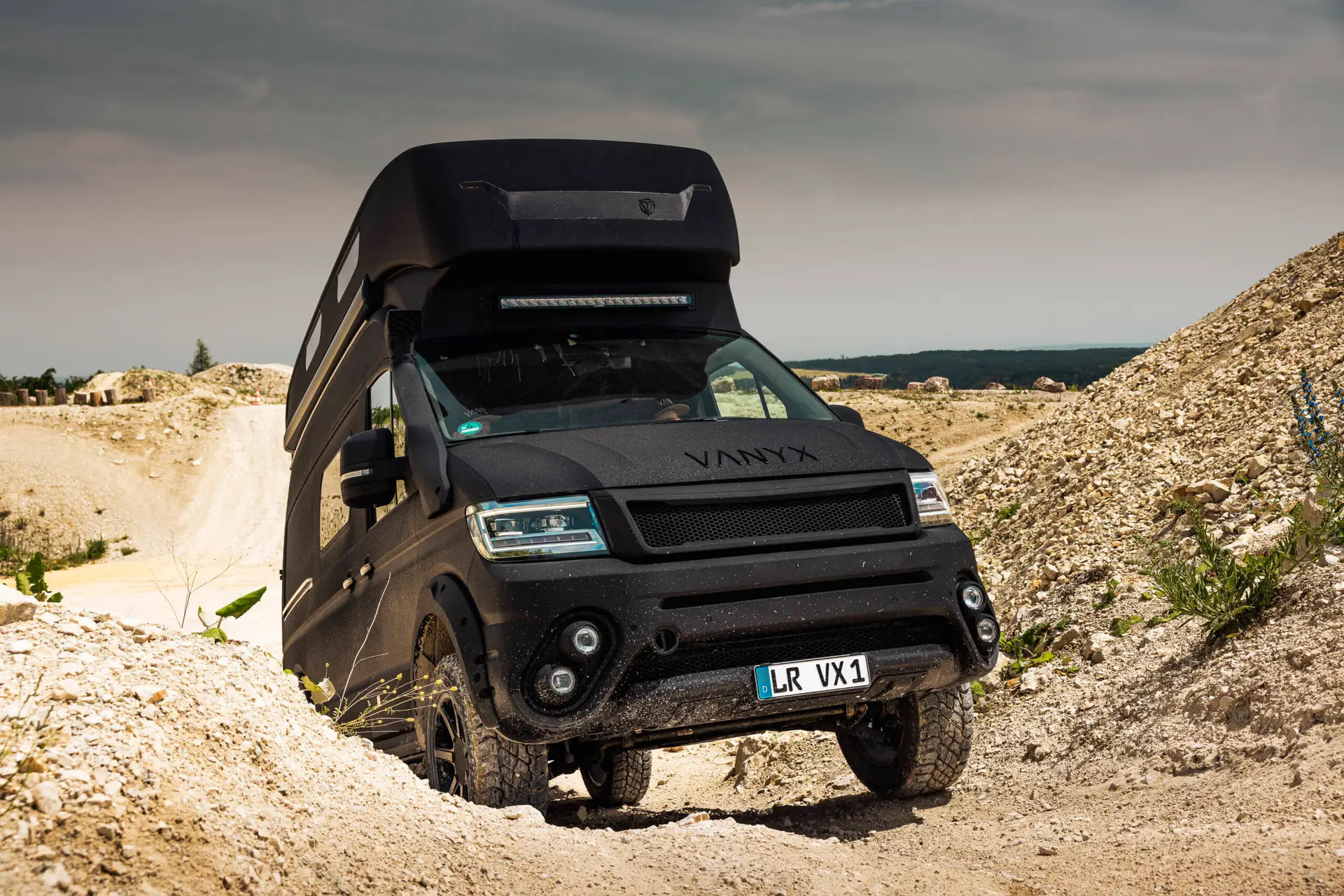
All-wheel drive alone doesn't make an off-road camper. Many vehicles carry the 4×4 label but are unsuitable for real terrain – gravel tracks, snow, sand, steep climbs, or remote locations.
Here are the decisive factors that make a true off-road camper – without marketing phrases.
1. Permanent or Switchable All-Wheel Drive – The Foundation
A true off-road camper needs:
- Real all-wheel drive, not just traction assists
- Even power distribution between front and rear axles
- Reliable performance in wet, snowy, or loose conditions
This is the indispensable foundation for any off-road journey.
2. Ground Clearance & Approach Angles
Decisive for progress off-road:
- Sufficient ground clearance for rocks, ruts, and obstacles
- Proper approach and departure angles to prevent bottoming out
- Protected underbody components
3. Weight – The Underestimated Factor
Heavy vehicles suffer from:
- Reduced traction
- Extended braking distances
- Poor articulation
- Higher fuel consumption
True off-road campers stay under 3.5 tons, use lightweight materials like carbon, and avoid unnecessary ballast.
4. Autonomy – Independence from Infrastructure
Off-road travel requires:
- Large battery systems
- Powerful solar installations
- Intelligent energy management
- Gas-free concepts
Only this enables true independence away from civilization.
5. Stable Construction – Durability Over Time
The terrain generates significant forces. Essential qualities:
- Solid, bolted interior equipment
- Durable materials
- No rattling or loose components
6. Climate Control & Moisture Management
An off-road camper must withstand:
- Dusty conditions
- Rain and snow
- Temperature extremes
- Clear separation of wet and living areas
7. Integrated System Design – The Decisive Difference
True off-road campers are designed holistically, not assembled from individual components.
Integration includes:
- Vehicle platform
- Body structure
- Weight distribution
- Technology
- Practical application
Conclusion
A true off-road camper isn't a marketing term. Real off-road capability requires technical know-how, experience, and comprehensive planning – not superficial upgrades.